
12 Weeks of Hands-On Floral Training
Build technical skills through structured lessons that cover design fundamentals, seasonal arrangements, and professional workflow methods you can apply immediately.
What This Program Actually Covers
You spend three months working through a sequence of practical assignments. Each week introduces a new technique, material type, or design principle that builds on what came before.
Weekly Structure and Materials
Sessions run on Tuesday and Thursday evenings, 6:30 to 9:00 PM. You work with fresh flowers each time—roses, tulips, peonies, greenery—and the program supplies all materials during class hours. If you want to practice between sessions, you source your own stems.
Weeks 1–4 focus on mechanics: foam, wire, tape, and water source management. Weeks 5–8 introduce composition rules—symmetry, asymmetry, focal points, and color pairing. Weeks 9–12 combine everything into event-specific designs: centerpieces, bouquets, installation elements.
Assignments vary in scale. Some weeks you create a single compact arrangement. Other weeks you assemble larger constructs requiring multiple containers or structural supports. Feedback happens in real time—instructors review your work, point out issues, suggest adjustments you implement on the spot.
Skill Development Across the Program
The chart shows typical skill progression tracked across six areas. Most participants enter with minimal experience and finish with working proficiency in multiple categories.
Design theory includes proportion rules, visual balance, and structural stability. You learn which shapes hold together and which collapse under their own weight. Color matching covers complementary palettes, seasonal trends, and client preferences—what looks good versus what the client specifically asked for.
Mechanics means physical assembly: securing stems, managing water sources, preventing wilting. Speed develops naturally as you repeat techniques. Client briefs involve interpreting vague requests and translating them into concrete design decisions—this is harder than it sounds and requires the most coaching.
Who Teaches the Program

Desmond Vaillancourt
Wedding and Event Design
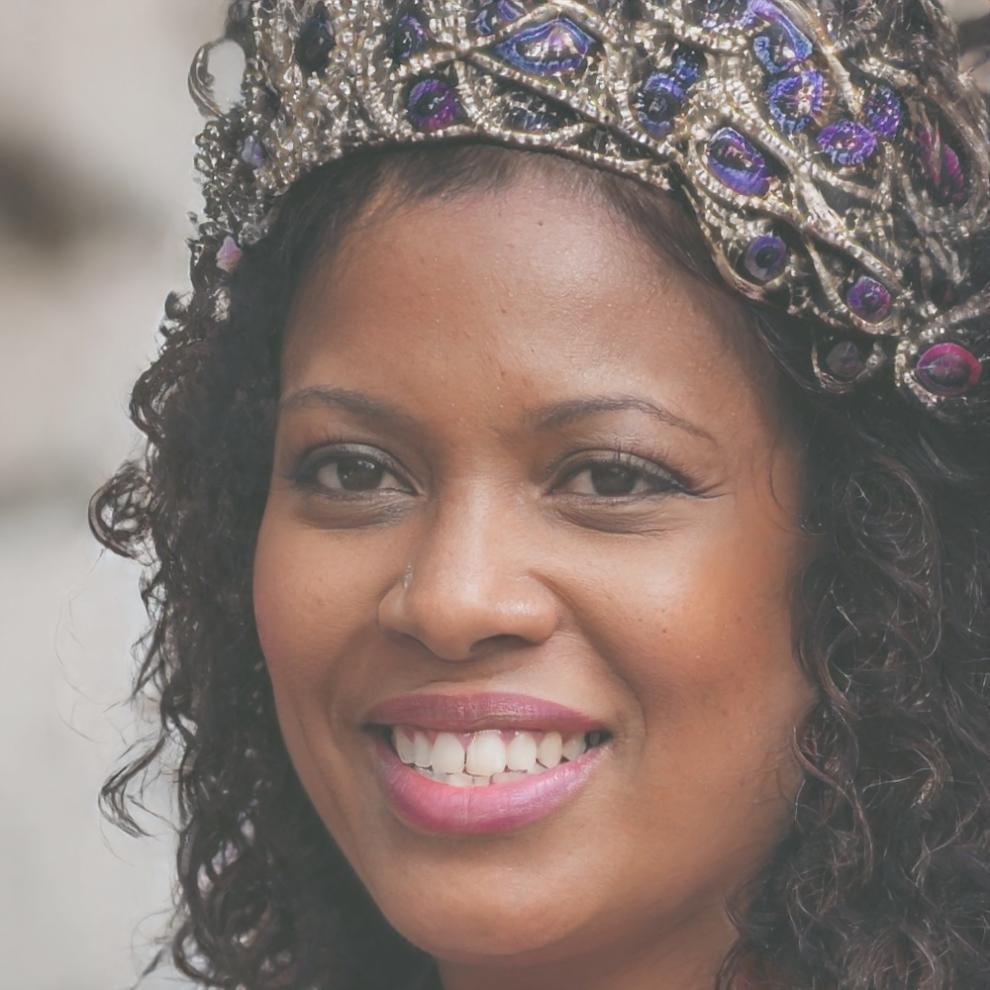
Ingrid Thibault
Seasonal Arrangement Techniques

Émile Lacasse
Commercial Production Workflow