Master Floral Design Through Structured Learning
Each service delivers specific techniques practiced by working professionals. You learn what actually works in real arrangements, not theory that looks good on paper but fails when you handle fresh materials.
What We Teach
Four focused programs covering different aspects of floral arrangement
Foundation Course
Essential skills for beginners
Start with stem preparation, color pairing, and structural balance. Six weeks of hands-on practice where you build arrangements that hold their shape and last through events.
- Tool selection and maintenance
- Flower conditioning methods
- Basic shape construction
- Seasonal material handling
Advanced Techniques
Complex arrangements and styling
Work with cascading designs, asymmetrical compositions, and mixed-medium installations. Learn to handle delicate materials that require specific wiring and support systems.
- Wiring and taping methods
- Vertical installation techniques
- Large-scale event design
- Preservation strategies
Wedding Specialization
Bridal and ceremonial work
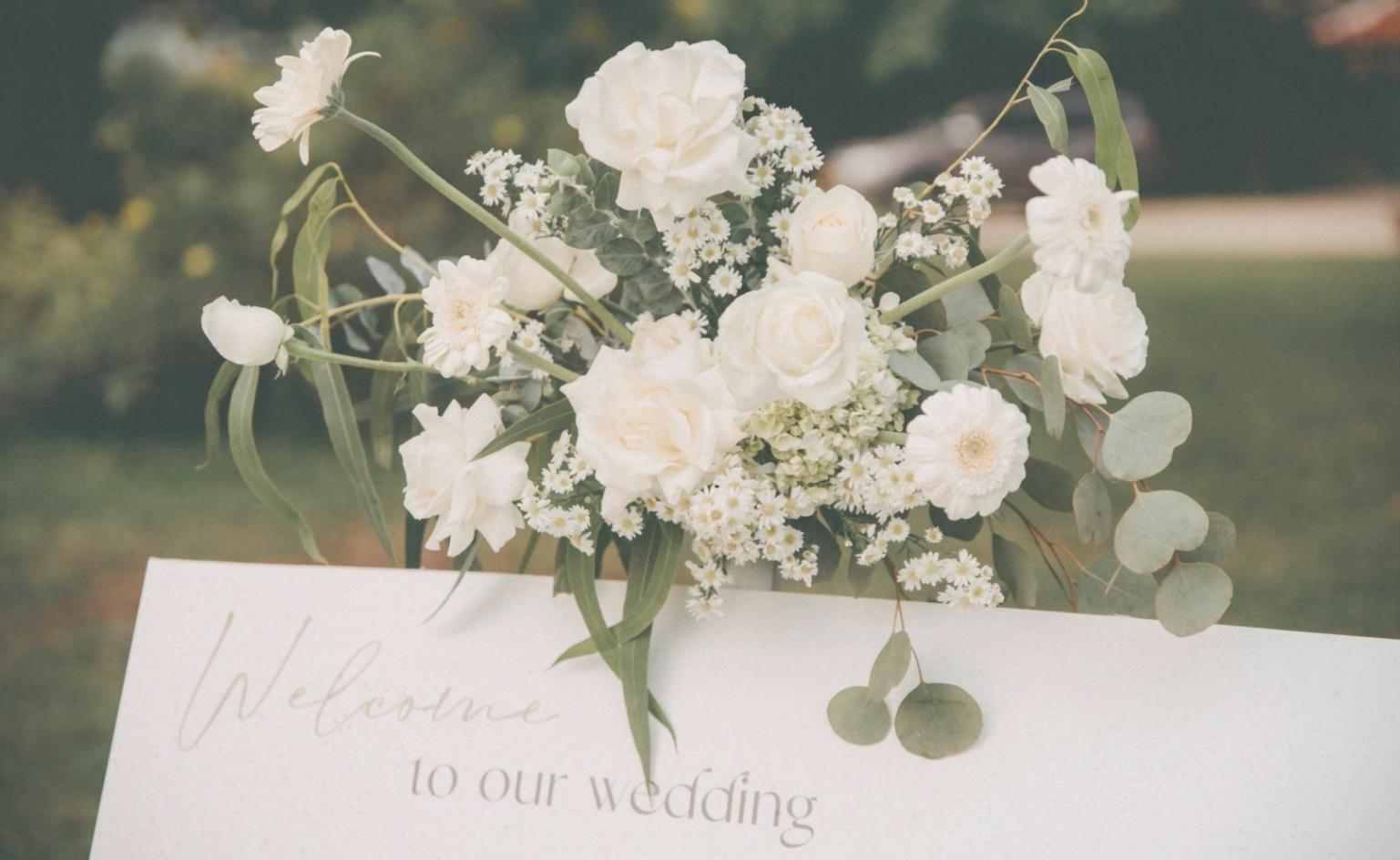
Focus on bouquets that photograph well and survive long ceremonies. Practice creating cohesive designs across multiple arrangement types while managing tight timelines and client expectations.
- Bouquet construction techniques
- Boutonniere and corsage assembly
- Ceremony installation planning
- Timeline and workflow management
Business Operations
Running a floral design practice
Understand pricing formulas, vendor relationships, and client communication. Cover inventory management, waste reduction, and how to build a portfolio that attracts the projects you want.
- Cost calculation systems
- Client consultation frameworks
- Supplier relationship building
- Portfolio development strategies
Olivier Beauchamp
Lead Instructor
Taught by Working Florists
Our instructors handle commercial orders every week. They know which shortcuts save time without compromising quality and which techniques just waste effort. You get their current methods, not outdated textbook approaches.
Classes limit enrollment to maintain a high instructor-to-student ratio. Small groups mean you receive direct feedback on your work and can ask specific questions about the materials in front of you. Sessions run 18 students maximum, split across two workstations.
How Classes Work
Each session combines demonstration with practice. You watch the technique, then replicate it using the same materials and tools the instructor just used.
- Sessions run three hours with breaks for material prep and cleanup. Most of that time you spend working with flowers, not watching slides.
- Materials are included in course fees. You work with the same quality stems professionals use for client orders, not practice-grade substitutes.
- Completed arrangements go home with you. By course end you have a collection showing your progression through different techniques.
- Access recorded demonstrations for six months after course completion. Review specific techniques when you need a refresher on hand positioning or timing.
- Classes meet evenings and weekends to fit around work schedules. Online sessions offer the same curriculum for students outside commuting distance.